King Of Jordan: A Comprehensive Look At The Leadership And Legacy - The king's investment in education and innovation will continue to shape the next generation of leaders in Jordan. By equipping young people with the skills and knowledge needed to thrive in a rapidly changing world, he is preparing the nation for success in the 21st century. The economic policies of King Abdullah II have had a significant impact on Jordan's development. While challenges remain, his initiatives have laid the foundation for long-term growth and stability.
The king's investment in education and innovation will continue to shape the next generation of leaders in Jordan. By equipping young people with the skills and knowledge needed to thrive in a rapidly changing world, he is preparing the nation for success in the 21st century.
The king's efforts in mediating peace talks between Israel and Palestine have earned him international recognition. His commitment to fostering regional stability has positioned Jordan as a key player in Middle Eastern politics.
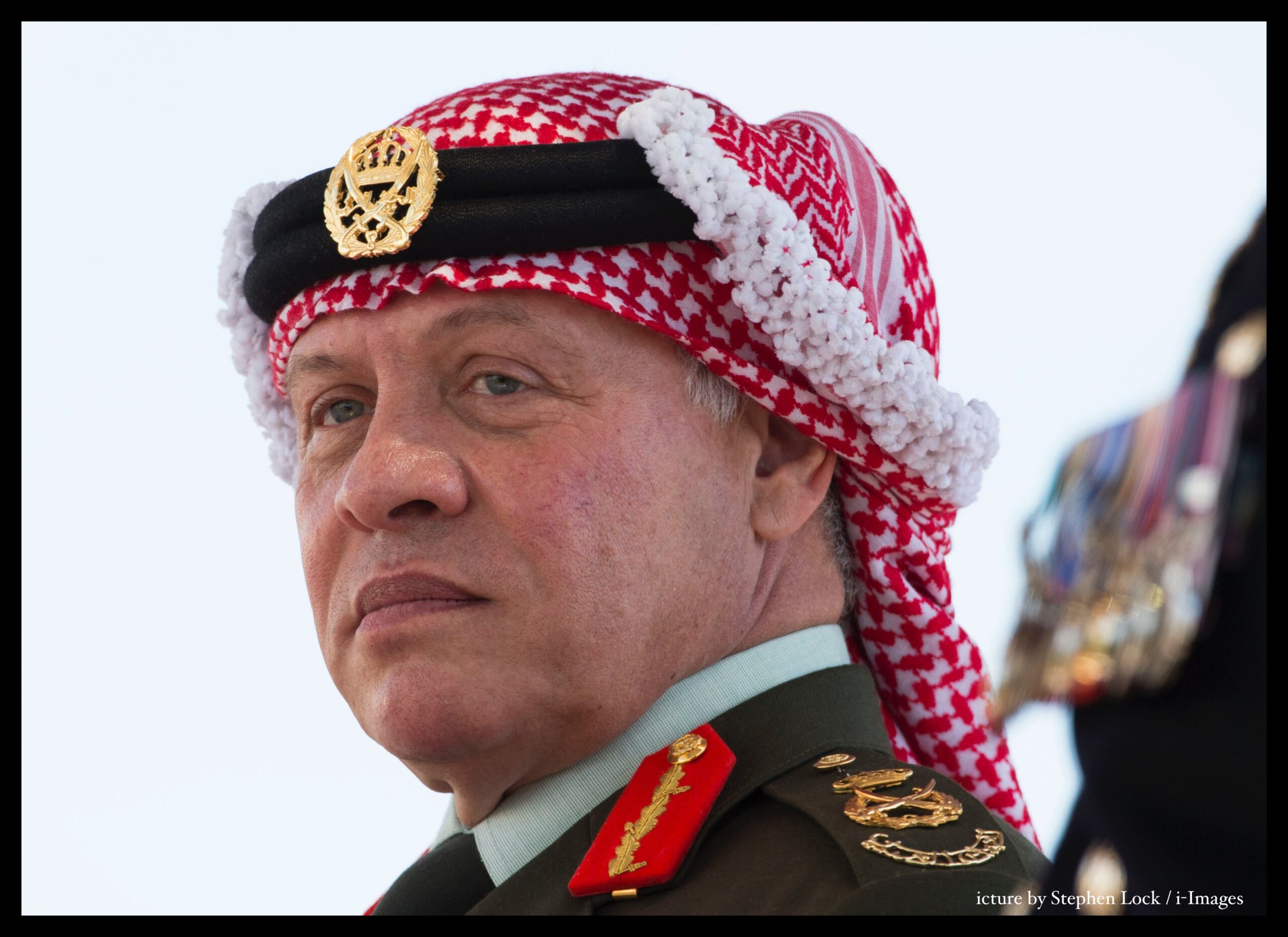
Recognizing the importance of small businesses in driving economic growth, the king has introduced programs to support entrepreneurship and innovation. These initiatives have empowered young entrepreneurs and contributed to the diversification of Jordan's economy.
At home, the king's policies focus on improving the quality of life for Jordanian citizens. From healthcare to housing, his initiatives aim to address the most pressing needs of the population.
The king's emphasis on infrastructure development has attracted foreign investment and created jobs for Jordanians. Projects such as the Aqaba Special Economic Zone and the Queen Alia International Airport expansion have boosted the country's economic potential.
Jordan's economy has been affected by regional instability and global market fluctuations. The king has implemented fiscal reforms and sought international partnerships to mitigate these challenges, but the road to economic recovery remains fraught with difficulties.
Sustainability is a key priority for the king, who has emphasized the importance of renewable energy and environmental conservation. His commitment to green initiatives aligns with global efforts to combat climate change and ensure a sustainable future for all.
As the King of Jordan, Abdullah II plays a vital role in international diplomacy. He has been a staunch advocate for peace in the Middle East, working tirelessly to resolve conflicts and promote dialogue among warring factions.
Social inequality and unemployment remain pressing issues in Jordan. The king has launched several initiatives to address these concerns, including job creation programs and social welfare reforms. However, more needs to be done to ensure equitable opportunities for all citizens.
King Abdullah II has prioritized education as a cornerstone of national development. He has launched several programs aimed at improving access to quality education, particularly for underprivileged communities. Additionally, his focus on STEM education has positioned Jordan as a regional leader in technology and innovation.
The current King of Jordan, King Abdullah II, ascended the throne in 1999 following the death of his father, King Hussein. Born on January 30, 1962, King Abdullah II received a comprehensive education, including military training at prestigious institutions such as Sandhurst in the UK and the United States Military Academy at West Point.

The king's vision for digital transformation has led to the establishment of smart cities and the promotion of e-governance initiatives. These efforts have improved public services and enhanced the efficiency of government operations, making Jordan a model for other nations in the region.